
Have you ever felt the anxiety that comes with noticing more hair shedding than usual? It’s a universal worry that can affect anyone, regardless of age or gender. Our hair is more than just a physical attribute—it’s a reflection of our overall well-being. Fortunately, there are natural remedies and home care practices that can help strengthen your hair, prevent thinning, and restore its natural vitality.
Listening to the subtle messages your hair sends can be the first step in understanding its needs. From nourishing oil rituals to simple everyday habits, there are various ways to support your hair health without relying on chemical-laden products. By incorporating these natural remedies into your regular routine, you can promote stronger, thicker hair from root to tip.
Oil Rituals for Nourishing Hair
One of the most effective ways to strengthen your hair is through consistent oil treatments. Oils like coconut, argan, and castor oil are rich in essential nutrients that nourish the scalp and hair follicles. By gently massaging oil into your scalp and hair, you can improve blood circulation and encourage healthy hair growth.
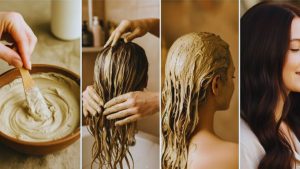
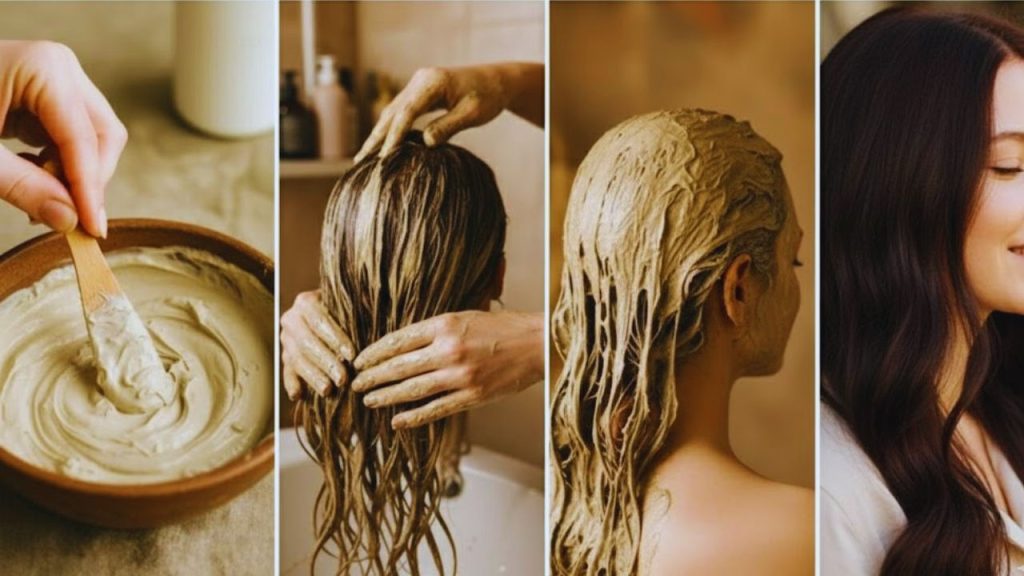
Creating a DIY hair oil blend with a mix of essential oils like lavender or rosemary can further enhance the benefits of your oil treatment. Regular use of these natural oils can help combat dryness, breakage, and split ends, leaving your hair looking and feeling more resilient.
Scalp Massage for Improved Circulation
While many focus on treating the lengths of their hair, the scalp often gets neglected. However, a simple scalp massage can work wonders for promoting hair growth and strength. Massaging your scalp stimulates blood flow, which in turn nourishes the hair follicles and promotes healthier, stronger hair.
Using your fingertips, gently massage your scalp in circular motions for a few minutes each day. This relaxing practice not only improves circulation but also helps in distributing natural oils evenly, keeping your scalp and hair moisturized and healthy.

Herbal Oils and Infusions for Hair Health
| Herbal Oils | Benefits |
|---|---|
| Lavender Oil | Promotes hair growth and reduces stress |
| Rosemary Oil | Stimulates circulation and strengthens hair follicles |
| Peppermint Oil | Cooling effect that soothes scalp and promotes hair growth |
Infusing herbs like rosemary, lavender, or nettle in carrier oils can create a potent hair treatment that addresses specific concerns such as dandruff, inflammation, or hair loss. These herbal infusions not only smell delightful but also offer a natural solution to common scalp and hair issues.
Kitchen Remedies for Everyday Hair Care
Your kitchen is a treasure trove of ingredients that can boost hair health. From eggs and yogurt to honey and avocado, natural kitchen remedies can provide essential nutrients that nourish and strengthen your hair. Creating homemade hair masks or rinses with these ingredients can help in maintaining the natural shine and strength of your hair.
For instance, a simple mixture of honey and olive oil can act as a deep conditioning treatment, restoring moisture and vitality to dry, damaged hair. Experimenting with these kitchen remedies allows you to customize your hair care routine according to your unique needs.
Nutrition and Stress Management for Healthy Hair
The health of your hair is closely linked to your overall well-being, including factors like nutrition and stress levels. A balanced diet rich in essential nutrients like vitamins A, C, and E, as well as minerals like zinc and iron, can support hair growth and strength from within. Incorporating foods like leafy greens, nuts, and seeds can help nourish your hair follicles and promote a healthy scalp environment.
Additionally, managing stress through techniques like meditation, yoga, or deep breathing exercises can have a positive impact on your hair health. Chronic stress can contribute to hair thinning and shedding, so finding ways to relax and de-stress is essential for maintaining strong, healthy hair.
Everyday Habits for Preserving Hair Strength
Simple everyday habits can play a significant role in preserving the strength and vitality of your hair. Avoiding excessive heat styling, using gentle hair accessories, and protecting your hair from environmental damage are all important practices to maintain healthy hair. Choosing the right hair care products that are free from harsh chemicals and sulfates can also make a difference in the long-term health of your hair.

Incorporating regular trims to prevent split ends, staying hydrated, and getting an adequate amount of sleep can further support your hair’s natural growth and strength. By paying attention to these daily habits, you can ensure that your hair remains resilient and beautiful.
Building a Sustainable Hair Care Routine
Creating a sustainable hair care routine that incorporates natural remedies and thoughtful practices is key to promoting long-term hair health. By listening to your hair’s needs, nourishing it with the right ingredients, and prioritizing self-care, you can strengthen your hair from the inside out. Consistency is key when it comes to seeing results, so establishing a routine that works for you and your hair type is essential for achieving healthy, vibrant hair.
Remember that each individual’s hair is unique, and what works for one person may not work for another. Experimenting with different natural remedies, adjusting your routine as needed, and seeking professional advice when necessary can help you navigate the journey to stronger, healthier hair successfully.

Expert Insight on Natural Hair Care
Dr. Maya Patel, Dermatologist: “Natural remedies like oil massages and herbal infusions can provide a holistic approach to hair care, addressing both scalp and hair health.”
Anna Collins, Herbalist: “Herbs like rosemary and lavender have been used for centuries to promote hair growth and strengthen hair follicles, offering a gentle yet effective solution for common hair concerns.”
Frequently Asked Questions (FAQs)
Q: Are natural remedies as effective as commercial products for hair care?
A: Natural remedies can be just as effective, if not more, in promoting healthy hair without the use of harsh chemicals.

Q: How frequently should I perform oil treatments for my hair?
A: It is recommended to perform oil treatments 1-2 times a week, depending on your hair’s needs and responsiveness to the treatment.
Q: Can stress really impact hair health?
A: Yes, chronic stress can contribute to hair thinning and shedding, highlighting the importance of stress management for overall hair health.
Q: Are there specific foods that can improve hair strength and growth?
A: Foods rich in vitamins, minerals, and proteins like leafy greens, nuts, and fish can support healthy hair growth and strength.

Q: How soon can I expect to see results from natural hair care remedies?
A: Results may vary, but with consistent use, you can typically expect to see improvements in hair strength and quality within a few weeks to a couple of months.
Q: Can overusing heat styling tools cause hair thinning?
A: Excessive heat styling can damage hair strands over time, leading to breakage and potential hair thinning if not properly managed.
Q: What are some natural ways to combat dandruff and scalp issues?
A: Using natural remedies like tea tree oil, apple cider vinegar, or aloe vera can help address dandruff and scalp issues without harsh chemicals.

Q: Is it necessary to consult a professional before trying natural hair care remedies?
A: While many natural remedies are safe to use, consulting a dermatologist or trichologist can provide personalized guidance and recommendations based on your specific hair concerns.









Leave a Comment