As the seasons change and the air turns cooler, many homeowners are faced with a common issue: dampness. The telltale signs of damp can be unsightly and unhealthy, but traditional methods involving harsh chemicals like bleach and ammonia can be off-putting for those looking for a more natural approach. So, how can you effectively eliminate damp from your home without resorting to these strong and potentially harmful substances?
Fortunately, there is a simple and painter-approved method that can help you banish damp for good. By understanding the root causes of damp and taking proactive steps to address them, you can create a healthier and more comfortable living environment for you and your family. Say goodbye to musty odors, mold growth, and peeling paint – it’s time to tackle damp the right way.
Identifying the Source of Damp
Before you can effectively eliminate damp from your home, it’s crucial to identify the source of the problem. Damp can be caused by a variety of factors, including leaking roofs, plumbing issues, poor ventilation, and rising damp from the ground. By pinpointing the root cause of the dampness, you can take targeted action to address it and prevent it from recurring.

It’s also essential to distinguish between different types of damp, such as condensation, penetrating damp, and rising damp. Each type requires a specific approach to remediation, so accurately diagnosing the issue is key to finding a lasting solution.
Implementing Painter-Approved Solutions
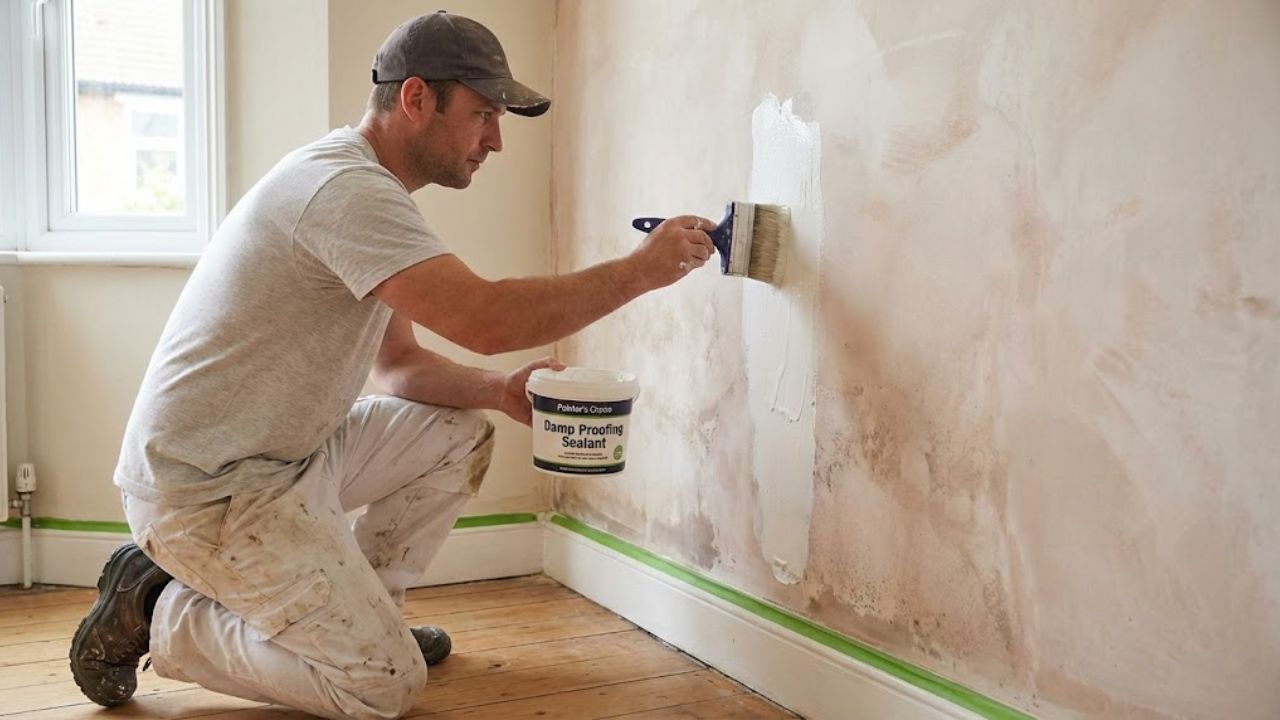
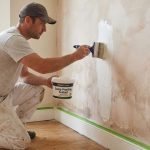
When it comes to eliminating damp without bleach or ammonia, painters have a few tricks up their sleeves. One effective method is to use a damp-proof paint or sealant on affected walls and surfaces. These specialized products create a barrier that prevents moisture from seeping through, keeping your home dry and free from damp-related problems.
In addition to using damp-proof paint, improving ventilation in damp-prone areas can help reduce moisture buildup and prevent condensation. Simple measures like opening windows, using extractor fans, and ensuring proper airflow can make a big difference in creating a drier environment in your home.

Preventing Damp From Returning
Eliminating damp is only half the battle – preventing it from coming back is equally important. To keep damp at bay for good, it’s essential to establish good maintenance habits and address any underlying issues that may be contributing to moisture buildup in your home.
Regularly checking for leaks, repairing damaged roofs or pipes, and keeping humidity levels in check are all proactive steps you can take to maintain a dry and healthy living space. By staying on top of routine maintenance and addressing any signs of damp promptly, you can avoid costly repairs and health hazards down the line.
Living Comfortably With Healthier Walls
By following these painter-approved methods for eliminating damp without bleach or ammonia, you can create a home that is not only visually appealing but also healthier and more comfortable to live in. Say goodbye to damp, mold, and musty odors, and enjoy a living space that promotes well-being and peace of mind.

Remember, a dry home is a happy home, so take the necessary steps to keep dampness at bay and enjoy the benefits of a healthier living environment for you and your loved ones.
FAQs
Q: Can I use vinegar to eliminate damp in my home?
A: While vinegar can help mask odors associated with dampness, it may not be as effective in eliminating the root cause of the problem. Using damp-proof paint or sealants is a more reliable solution.
Q: How often should I inspect my home for signs of damp?
A: It’s a good idea to perform regular checks for damp at least once every season, paying close attention to areas prone to moisture buildup.

Q: Are there natural remedies I can use to combat damp in my home?
A: Some natural remedies like charcoal, silica gel, and dehumidifying plants can help absorb excess moisture in the air, but they may not be sufficient for tackling severe damp issues.
Q: Is rising damp a common issue in older homes?
A: Yes, rising damp is a prevalent problem in older properties due to their construction and lack of modern damp-proofing measures. Proper maintenance and treatment are essential to address rising damp effectively.
Q: Can dampness in my home lead to health problems?
A: Yes, prolonged exposure to damp conditions can lead to respiratory issues, allergies, and mold-related health problems. It’s crucial to address damp promptly to protect your health and well-being.








Leave a Comment